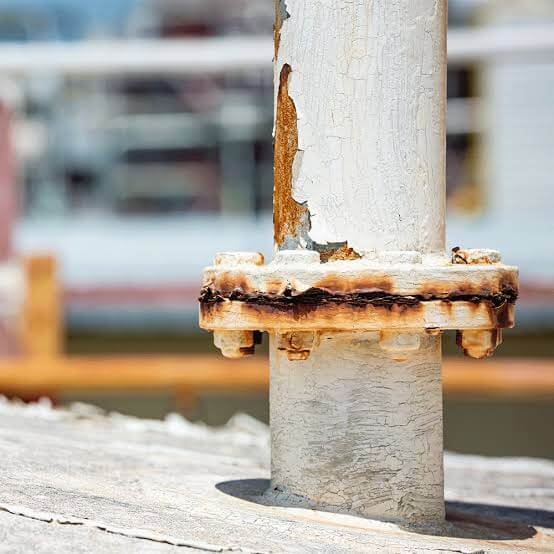
A bridge, highway, pipeline, or a concrete structure may look healthy from the outside. But moisture, salt, chemicals, and air can at a slower pace disintegrate the interior materials. Eventually, the corrosion that occurs over time on infrastructure will deteriorate the steel elements and lead to cracking, spalling, and expensive repair procedures.
Correct protection strategy starts long before things become visible damaged.
Why Does Infrastructure Corrode?
Metals react with the environment around them and corrosion begins. Other contributors to the process are water and oxygen, while chlorides introduced (in large part from road salt or marine exposure) can aggravate conditions.
Chloride ions can get to embedded steel in reinforced concrete. As it starts to corrode, the steel can expand, and put stress on surrounding concrete.
That weight can create cracks and damage to concrete.
Start with the Right Materials
Material selection is an important tool to control corrosion. Based on the environment of a project, engineers could choose from coated reinforcement, corrosion-resistant alloys, protective coatings, or other systems.
The right answer depends on factors such as:
- Moisture exposure
- Chloride levels
- Temperature
- Chemical contact
- Expected service life
- Maintenance requirements
At design stage, proper material selection can minimize problems down the road.
Protect Vulnerable Areas
Not all sections of a structure are subjected to the same level of exposure. Some corrosion risks found in bridge decks, coastal structures, garages, and underground elements.
A project team needs to mark out areas where moisture or chemical contact is most likely for exposure. It can then prioritize where protective measures are most needed.
Maintenance Matters
Protecting infrastructure from corrosion does not end with construction. You are then learning to identify early stages of coating damage, cracking, water intrusion, or steel corrosion on a regular basis.
Normally fixing small damages is easier than treating major building elements, once the damage has progressed.
Consider the Entire Lifecycle
The most inexpensive material or construction method at the outset may not provide the lowest total cost over its life cycle. Repair and replacement work, interruptions in traffic due to machinery and labor costs can all increase the final cost of a project by a considerable margin.
This is the reason why preventing costly corrosion on infrastructure projects must be taken into account in the wider life-cycle approach.
See also: PT-141: The 6-Point Checklist Before You Shop, No Fluff
Build for Long-Term Durability
Corrosion control is the right combination of appropriate design for materials, construction, inspection, and maintenance done in a timely manner.
This early intervention strategy allows the project owner to mitigate serious degradation and increase service life. By being proactive to a natural phenomenon, corrosion on infrastructure operations can save the structural performance, as well as commitments involving investments in longer run.