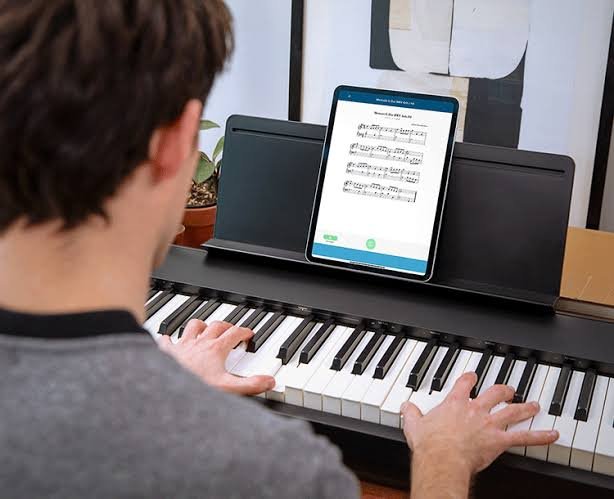
Buying a musical instrument is a decision that can influence how someone learns, practises and enjoys music. A digital piano offers a range of possibilities, from simple home practice to more advanced performance and recording. With so many models available, it is useful to understand which specifications have the greatest impact on the playing experience.
A careful comparison can help buyers select an instrument that fits their requirements without paying for features they may never use.
Start With Your Intended Use
The first step is to identify how the piano will be used. A beginner learning basic melodies may have different needs from a student preparing for examinations or a musician recording compositions.
Consider whether the instrument will be used mainly for:
- Daily practice.
- Formal music lessons.
- Home entertainment.
- Recording and music production.
- Performance in small venues.
- Learning different musical styles.
The intended use helps determine the required keyboard size, action, sound quality and connectivity.
Compare Keyboard Mechanisms
The keyboard mechanism affects how the instrument responds to touch. Some models use lightweight keys, while others include weighted mechanisms designed to recreate the resistance of an acoustic piano.
Graded hammer action is available in certain instruments and provides different resistance across the keyboard. This can be appealing to learners who want a more traditional piano feel.
Touch sensitivity also matters because it allows players to control volume through their playing strength.
Evaluate the Sound System
Digital pianos use electronic sound systems. Their sound may be produced through sampled recordings, modelling technology or a combination of approaches.
The internal speakers influence how the instrument sounds in a room. Some models have compact speaker systems, while others are designed to provide a fuller sound.
If possible, test the piano at different volume levels. Listen to both individual notes and chords to assess clarity and balance.
Research Before You Buy
People who plan to buy digital pianos online can use product listings to compare specifications and available models.
Read the product information carefully rather than relying only on photographs. Confirm the number of keys, keyboard action, speaker details, connectivity options and included accessories.
It is also helpful to check delivery conditions, return policies and warranty information before completing an order.
Understand the Value of Connectivity
Connectivity can expand what a digital piano can do. USB and MIDI functions may allow users to connect the instrument to compatible devices and music software.
This can be useful for recording performances, composing music or using educational applications.
However, not every buyer needs advanced connectivity. Someone who mainly wants to practise piano may prefer to invest in a better keyboard action or sound system instead.
Consider the Physical Design
Digital pianos are available in portable and furniture-style designs. Portable instruments may suit people who need flexibility or have limited space.
Furniture-style models can provide a more traditional appearance and may include an integrated stand and pedal unit.
Before purchasing, measure the room and check the instrument’s dimensions. Consider whether there is enough space for a bench, music stand and comfortable movement around the keyboard.
Accessories and Additional Costs
A complete piano setup may require more than the instrument itself. Depending on the model, buyers may need to purchase a stand, bench, sustain pedal, headphones or protective cover separately.
Check what is included in the package. A bundle may offer convenience, but buyers should still assess the quality and suitability of each accessory.
Warranty coverage and service availability are also part of the overall value.
Supporting Long-Term Learning
An instrument should support the player’s development. Beginners may initially use only a small part of the keyboard, but their needs can expand as they learn more complex music.
A model with a suitable key range and realistic touch response may remain useful for longer.
It is not necessary to purchase the most advanced instrument immediately. The goal is to find a practical balance between present needs and likely future requirements.
Frequently Asked Questions
1. What specifications should I compare when buying a digital piano?
Important specifications include the number of keys, keyboard action, touch sensitivity, sound system, connectivity, dimensions and included accessories.
2. Is an online purchase suitable for a digital piano?
Online purchasing can be convenient, particularly when product specifications and seller policies are clear. Buyers should confirm delivery, warranty and return arrangements before ordering.
3. Do all digital pianos include a stand and bench?
No. Included accessories vary by model and package. Check the product description to confirm what is supplied.
Conclusion
Purchasing a digital piano becomes easier when buyers begin with their intended use and compare the features that affect everyday playing. Keyboard action, sound quality, connectivity and physical design all deserve attention. Reviewing product information and the complete cost can help buyers choose an instrument that supports their musical interests over time.