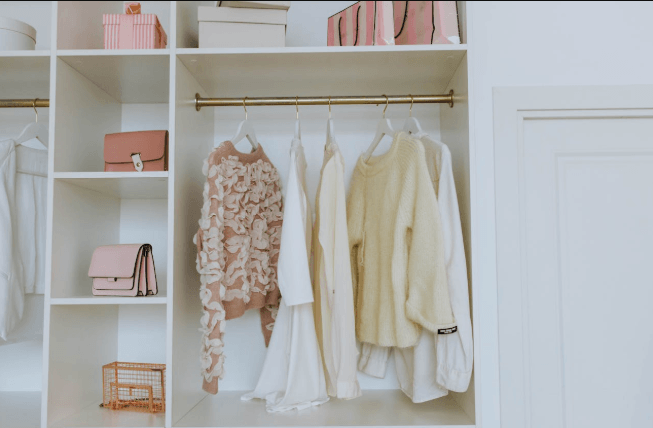
A smart closet plan starts with a clear goal and a realistic timeline. Evaluate items by fit, function, and frequency of use, then label zones to minimize guesswork. Use modular, wall-mounted storage with adjustable shelves, transparent bins, and labeled boxes for visibility. Group by color family, then texture and silhouette to spark outfit ideas. A simple daily routine—hang, fold, return—keeps the space showroom-ready and invites the next practical step.
How to Start With a Closet Clean-Up Plan
A closet clean-up plan begins with a clear goal and a practical timeline. The process cultivates a decluttering mindset, emphasizing decision discipline and purposeful removal. Each item undergoes goal setting: evaluate fit, function, and frequency of use; label zones; and establish a removal deadline. Documentation clarifies priorities, reduces duplication, and preserves freedom to curate a streamlined wardrobe without hesitation.
Best Storage Hacks for Fashion-Forward Spaces
Maximize square footage and efficiency with targeted storage hacks that suit fashion-forward spaces. The approach emphasizes modular solutions, wall-mounted organizers, and adjustable shelves to maximize vertical space. Compact garment racks and labeled bins streamline visibility. Use transparent boxes for quick recalls, slim hangers for bulkier items, and rotation methods to highlight seasonally worn pieces. Fashion forward, storage hacks enable liberated, organized living.
Color-Coordinated Organization That Sparks Outfits
Color-coordinated organization uses a deliberate, item-by-item approach to outfit planning. The system groups garments by color families, then by texture and silhouette, ensuring easy cross-pairing. It emphasizes consistent hangers, labeled bins, and accessible shelves to reduce rummaging. This method fuels color coordination and outfit inspiration, enabling quick, expressive looks while preserving freedom to mix unexpected hues confidently.
Daily Routines to Keep Your Closet in Showroom Condition
Daily routines keep a closet showroom-ready by prioritizing consistency over overhaul. Each morning, the system centers on quick checks: hang properly, fold essentials, and return items to designated zones. Schedule weekly audits, note worn pieces, and implement minor fixes. Emphasize fashion routines and showroom maintenance with minimal effort, ensuring accessibility, airflow, and a clutter-free environment for sustained freedom in style.
Frequently Asked Questions
How Do I Maintain a Minimalist Wardrobe Long-Term?
Maintaining a minimalist wardrobe long-term requires a long term mindset, focusing on quality over quantity and sustainable balance. Curate intentionally, audit seasonally, and prioritize versatile pieces. They cultivate intention, avoid impulse buys, and preserve simplicity with strategic maintenance.
What Budget-Friendly Ways Remove Wardrobe Guilt?
“Cutting corners” aside, budget-friendly strategies for wardrobe guilt removal include mindful shopping, capsule curation, and secondhand finds; the approach emphasizes transparency, quick audits, and repeat-use routines, enabling budget friendly choices while reclaiming personal freedom from clutter.
See also: AI in Search Technology
Which Fabrics Require Special Care in Storage?
Silk care demands cool, dry storage away from sunlight; use padded hangers or flat storage to prevent creasing. Linen storage should be breathable, folded with cedar or silica, and kept tidy to maintain texture and color.
How Can I Rotate Seasonal Items Efficiently?
“An ounce of prevention is worth a pound of cure.” The approach: seasonal rotation streamlines wardrobe access; implement storage optimization by labeling bins, staging off-season items, and rotating outfits weekly to minimize clutter and maximize functional freedom.
What Tech Tools Help Track Wardrobe Usage?
Wardrobe analytics streamline tracking via smartphone apps and RFID/QR garment tagging. The system logs usage, outfits, and frequency, enabling data-driven decisions, trend spotting, and efficient rotation while preserving personal freedom and flexibility in styling choices.
Conclusion
The closet settles into a quiet showroom, each item aligned like a well-ordered chorus. Sunlight glints off transparent bins, labels legible as a map for moving parts. The plan—clear goals, documented priorities, daily rituals—feels tangible, not fleeting. A jacket returns to its niche; a dress finds its partner in a color family, texture, and silhouette. With every breath, the space breathes: organized, functional, and ready to spark the next outfit with effortless elegance.